30+ Years in Technology
From early web infrastructure to intelligent systems that scale across real-world complexity.
AI & Software Product Strategist
I design and build digital products, platforms, and systems that handle real-world complexity. Sometimes that intelligence is powered by AI. Sometimes it comes from architecture, automation, and thoughtful product design. My focus is simple: software that works, scales, and makes life easier for the people using it.
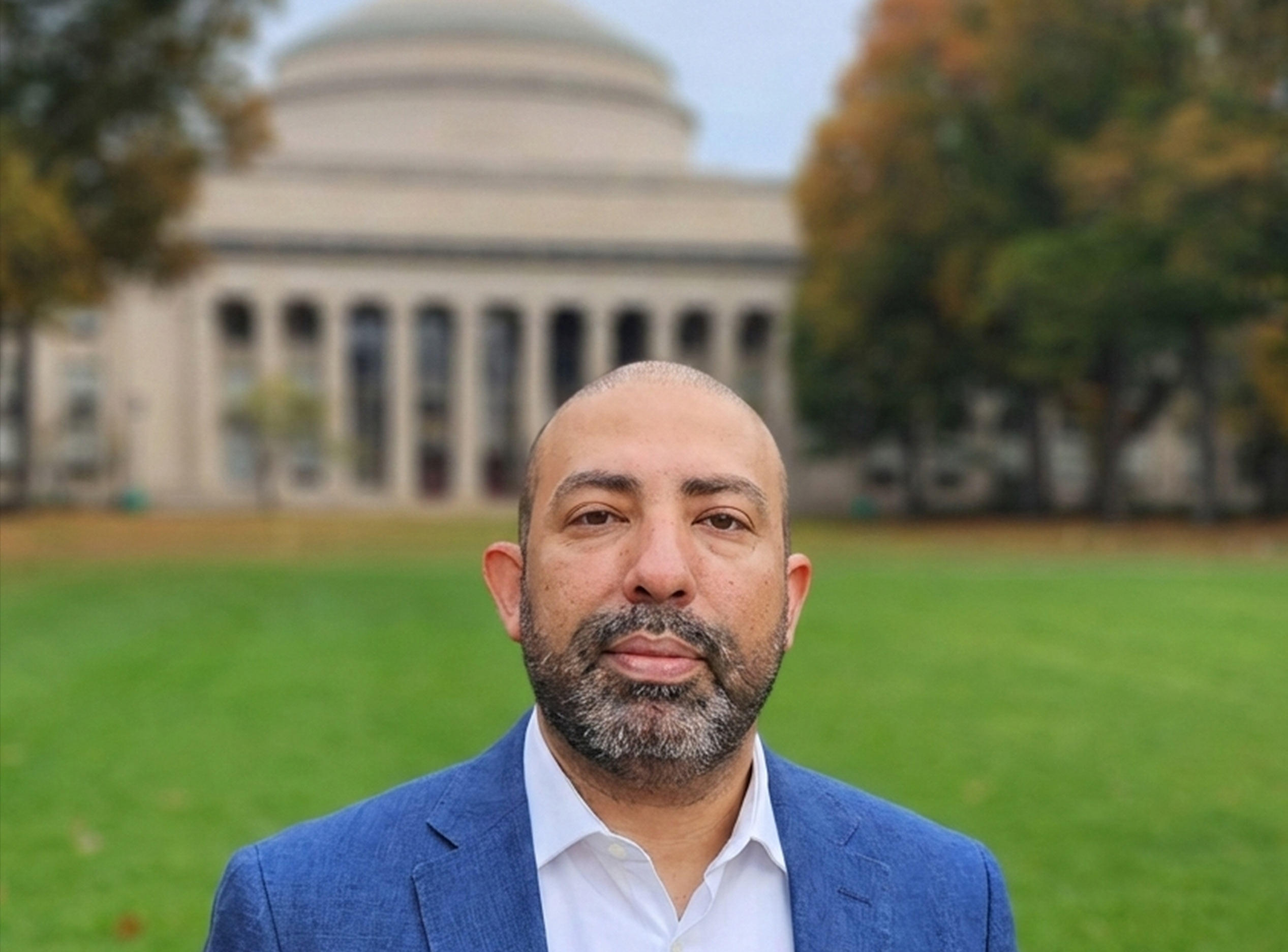

{
  "role": "AI-Native Product & Systems Builder",
  "training": "MIT",
  "experience": "30+ years",
  "focus": [
    "AI-native product design",
    "Software & SaaS systems",
    "Automation & intelligent workflows",
    "Scalable web platforms"
  ]
}
AI and Technology Expertise
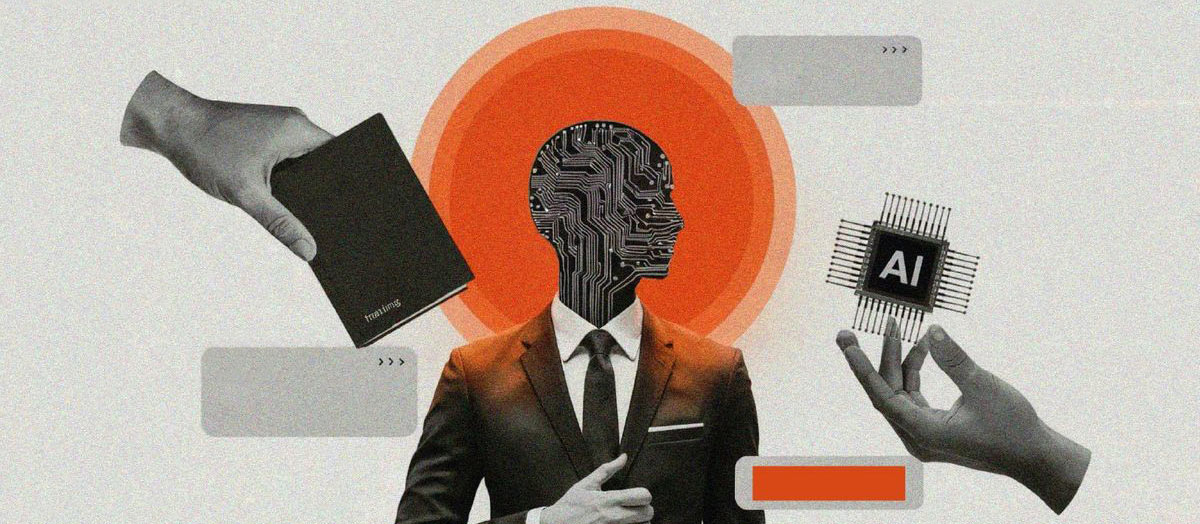
I design AI-enabled products that combine language models, automation, structured data, and real workflows. My focus is on making intelligence usable, reliable, and deeply embedded in how a product behaves, not just how it looks.
Selected Impact
I work with founders, organizations, and institutions that need more than a website. I help them design and build intelligent products where AI becomes part of the core experience, not an afterthought. I’ve applied this approach both inside established organizations and as co-founder of Zeestr, where we built AI-native fundraising technology with intelligence at the core of the platform.
Scalable, secure digital systems where AI becomes a first-class capability.
Operational workflows designed to reduce friction and accelerate decision-making.
Unified intelligence layers that turn raw data into insight and action.
AI-assisted platforms that amplify reach, engagement, and capital flow.
Domain-specific copilots that drive speed, clarity, and operational precision.
Philosophy and Approach
When an idea is fragile, the path unclear, and a product is learning how to think alongside the people who use it.
I grew up professionally alongside the internet.
My early years were spent close to the metal: Linux systems, servers that needed constant care, networks that had to be understood rather than assumed. Back then, building technology meant understanding its failure modes as much as its possibilities. That habit never left me.
Over the decades, my work moved upward through the stack, from infrastructure to platforms, from platforms to systems, and now into the layer we call intelligence. Not the theatrical version of AI, but the quiet, structural kind. The kind that sits inside workflows, inside tools, inside decisions, and changes how systems behave over time.
I trained at MIT to formalize a set of intuitions I had been developing for years about machine learning, data, and intelligent systems. What interested me was never just the model, but the surrounding architecture. Where intelligence lives. How it connects to real processes. How it behaves when it leaves the lab and meets human complexity.
Most of my work now revolves around designing AI-enabled systems that are less visible than they are consequential. Platforms where language models, automation, and data pipelines operate as part of a larger organism. Systems that do not announce themselves as "AI," but quietly reshape how organizations function.
I tend to think of software as a form of architecture, and architecture as a form of philosophy. Every system encodes assumptions about people, about decisions, about what matters and what does not. Working with AI makes those assumptions more powerful, and therefore more important to examine carefully.
There is also something deeply creative in this work. Not in the aesthetic sense, but in the structural one. Finding the right abstraction. The right boundary. The right flow of information. When a system is well designed, it has a kind of internal coherence that feels closer to composition than construction.
I am drawn to problems where technology is not the end goal, but the medium. Where intelligence can be embedded into the foundations of a product or an organization, not as spectacle, but as quiet leverage.
I have spent long enough in this field to be skeptical of hype cycles and optimistic about fundamentals. The tools change. The abstractions evolve. But the core questions remain the same: how do we design systems that can handle complexity without collapsing under it, and how do we make intelligence -- human or machine -- actually usable?
That is the work I continue to do.
AI is not a feature layer. It becomes part of how a product behaves, adapts, and evolves over time.
Working closely with founders and product teams to shape what should exist, not just how to build it.

Well-designed AI reduces friction, increases clarity, and expands human decision-making capacity.




Let's talk
I help teams design intelligent systems and products that create lasting leverage, not just new features.